
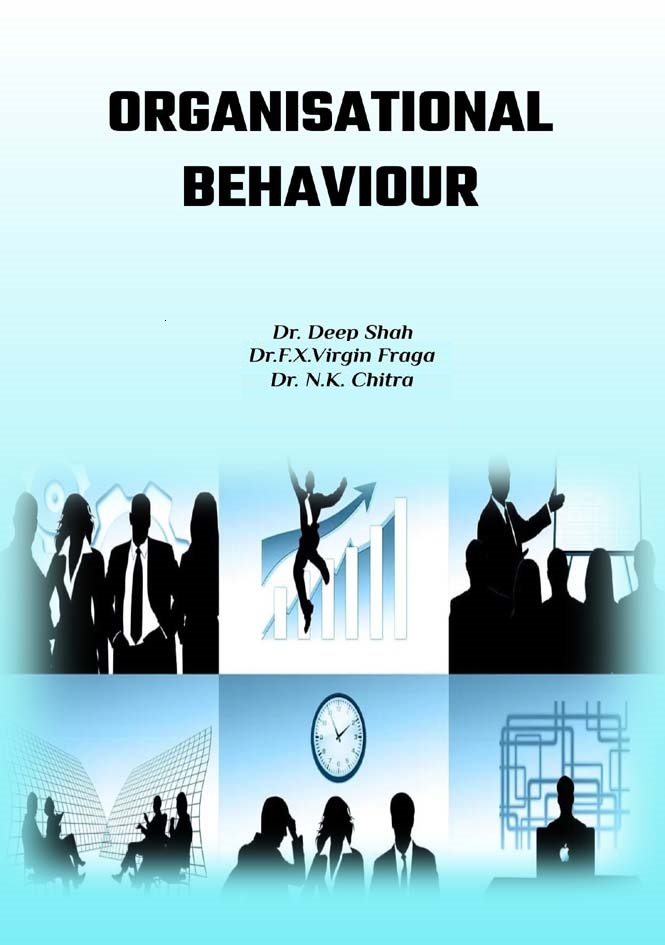

1. Introduction / Overview
Organisational Behaviour is a comprehensive study of how individuals, groups, and organisations behave within the workplace. The book provides a clear understanding of the behavioural aspects of management and explains how employee attitudes, values, emotions, motivation, communication, leadership, teamwork, conflict, power, politics, and organisational culture influence organisational effectiveness.
The book combines fundamental concepts with practical perspectives, making it useful for understanding real-world workplace situations. It helps readers develop a better understanding of human behaviour and its role in creating productive, collaborative, and successful organisations.
2. Key Topics Covered
The book covers important areas of Organisational Behaviour, including:
- Foundations of Organisational Behaviour
- Learning, Attitudes and Values
- Emotions and Perception
- Work Motivation
- Group Behaviour and Team Work
- Communication and Leadership
- Conflict Management
- Power and Politics
- Organisational Culture
These topics provide a broad understanding of both individual and group behaviour in organisational settings.
3. Who Should Read This Book
This book is particularly useful for:
- Undergraduate and postgraduate management students
- MBA and business administration students
- Students studying Organisational Behaviour and Human Resource Management
- Management educators and teachers
- Researchers and academic scholars
- Human Resource professionals
- Managers, supervisors, and team leaders
- Professionals interested in workplace behaviour and organisational effectiveness
It can also serve as a useful reference for anyone seeking to understand how people interact, communicate, collaborate, and perform within organisations.
4. Chapter / Topic List
Chapter 1: Foundations of Organisational Behaviour
Introduction to Organisational Behaviour, its meaning, scope, importance, and role in understanding workplace behaviour.
Chapter 2: Learning, Attitudes and Values
Understanding learning processes, employee attitudes, personal values, and their influence on workplace behaviour and decision-making.
Chapter 3: Emotions and Perception
Examining emotions, emotional responses, perception, perceptual processes, and their influence on individual behaviour.
Chapter 4: Work Motivation
Exploring the meaning and importance of motivation and the factors that encourage employees to perform effectively and achieve organisational objectives.
Chapter 5: Group Behaviour and Team Work
Understanding group dynamics, teamwork, team development, collaboration, and the factors that contribute to effective team performance.
Chapter 6: Communication and Leadership
Examining organisational communication and leadership, including their importance in guiding employees, building relationships, and achieving organisational goals.
Chapter 7: Conflict Management
Understanding the causes and consequences of workplace conflict and examining approaches for managing and resolving conflicts constructively.
Chapter 8: Power and Politics
Exploring power, influence, authority, organisational politics, and their impact on relationships and decision-making within organisations.
Chapter 9: Organisational Culture
Understanding organisational culture, shared values, beliefs, norms, practices, and their influence on employee behaviour and organisational performance.
5. Why This Book Is Useful
Organisational Behaviour provides readers with the knowledge required to understand and manage human behaviour in the workplace. It helps students connect theoretical concepts with practical organisational situations and develops their understanding of the behavioural challenges faced by managers and employees.
The book is particularly valuable for developing skills related to employee motivation, effective communication, leadership, teamwork, conflict management, decision-making, and organisational effectiveness. By understanding how individuals and groups behave, readers can better appreciate the factors that contribute to positive workplace relationships and improved organisational performance.
With its structured coverage of fundamental Organisational Behaviour concepts, the book serves as a useful academic resource as well as a practical reference for management students, educators, researchers, managers, and professionals.
Reviews
There are no reviews yet.